FINE ART GICLÉE PRINTS


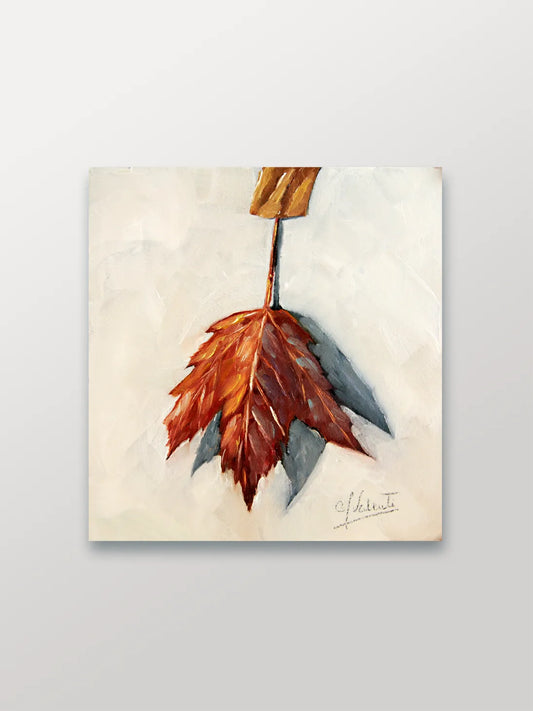
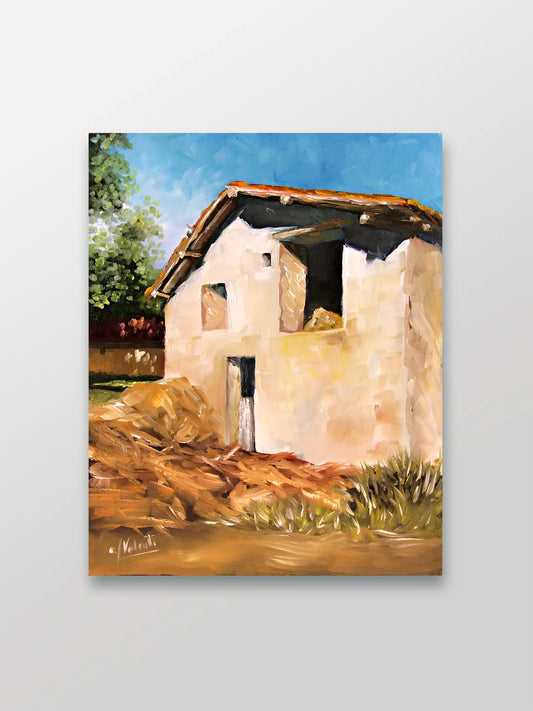
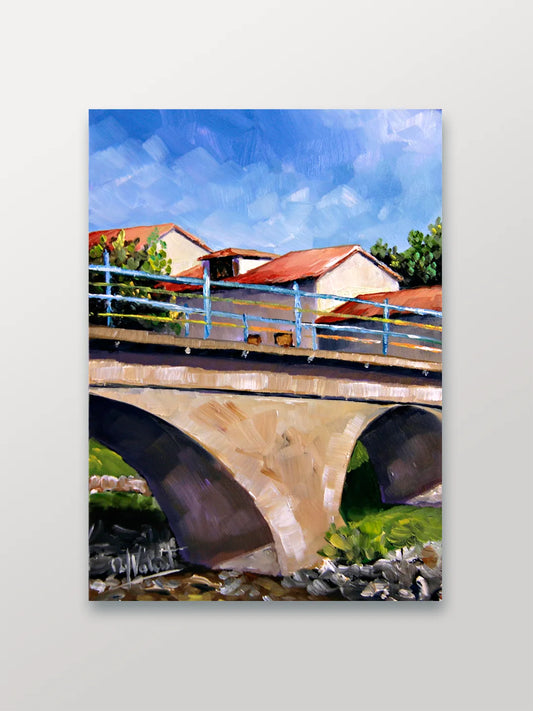
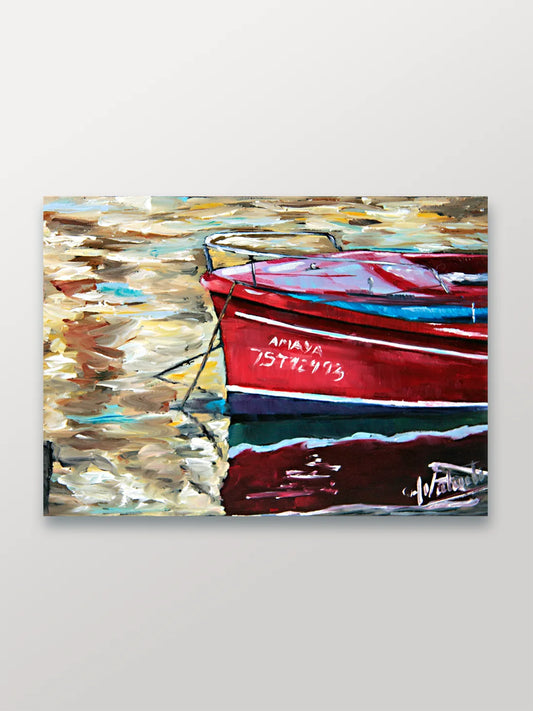
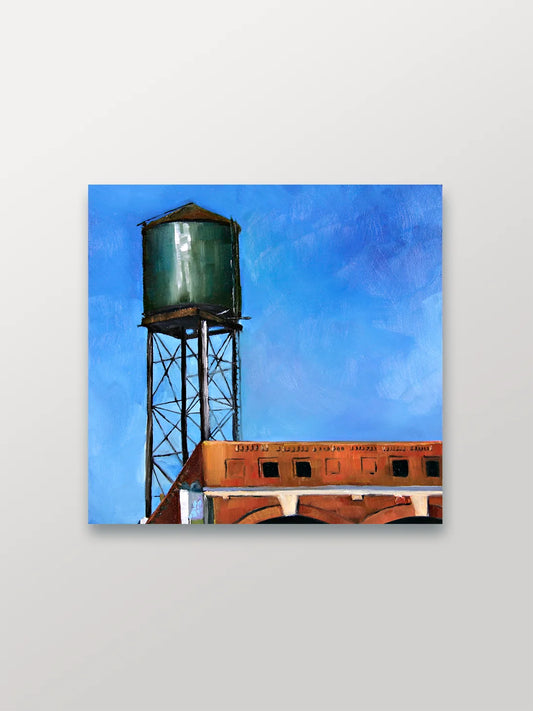
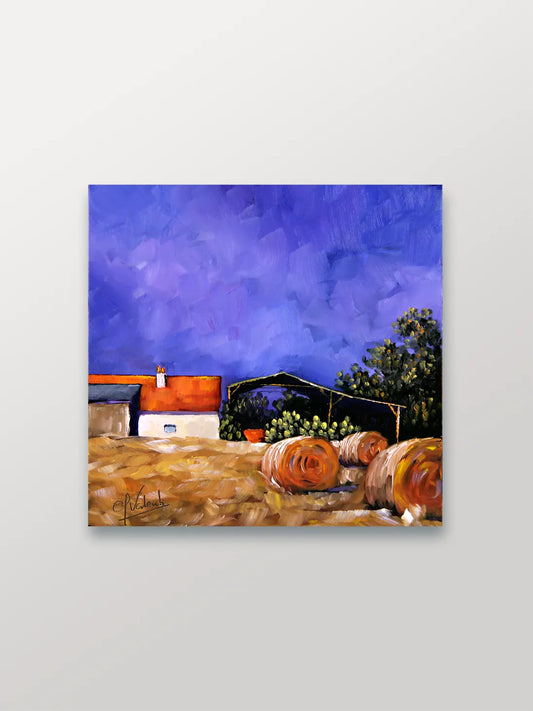
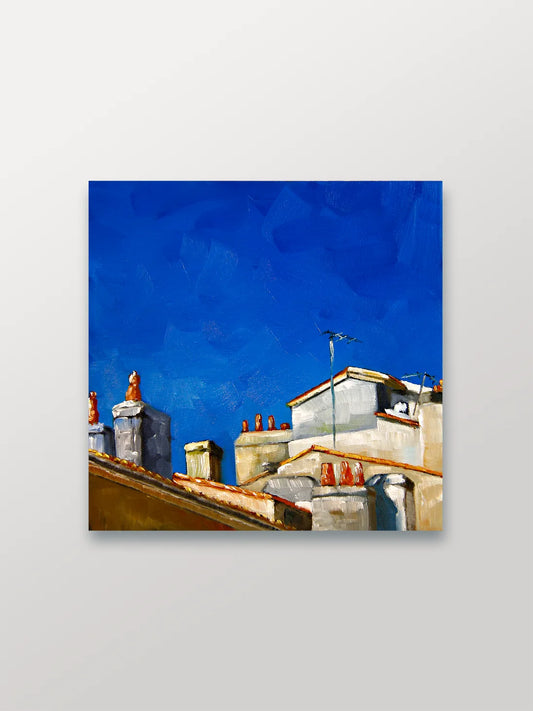
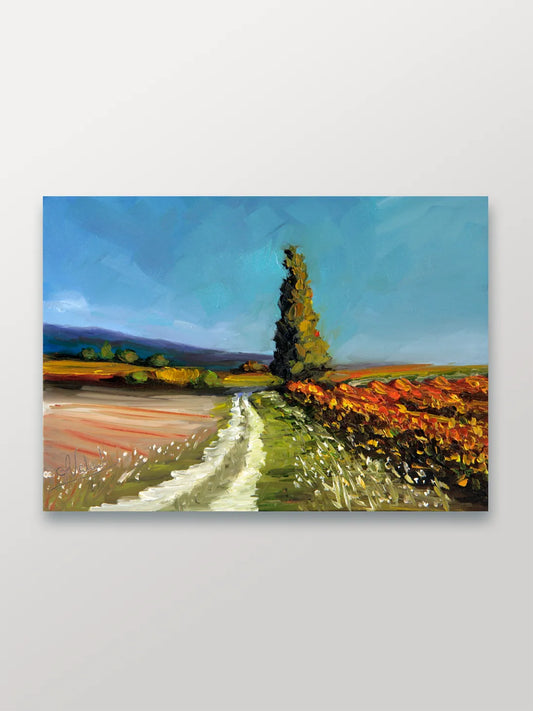
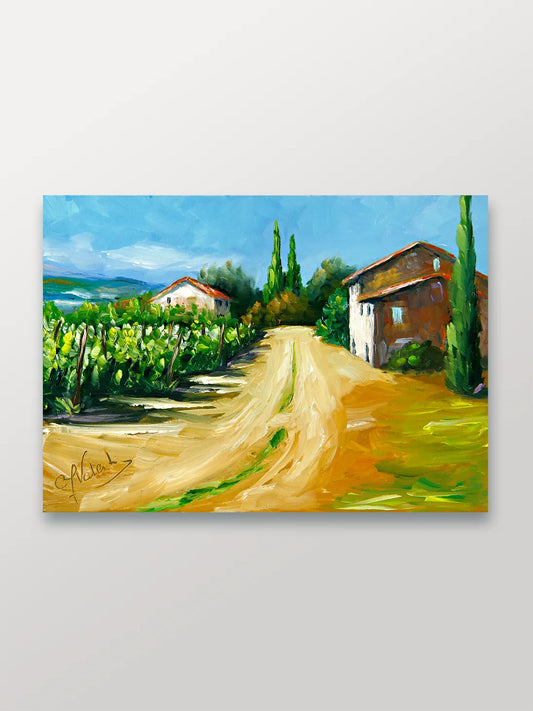
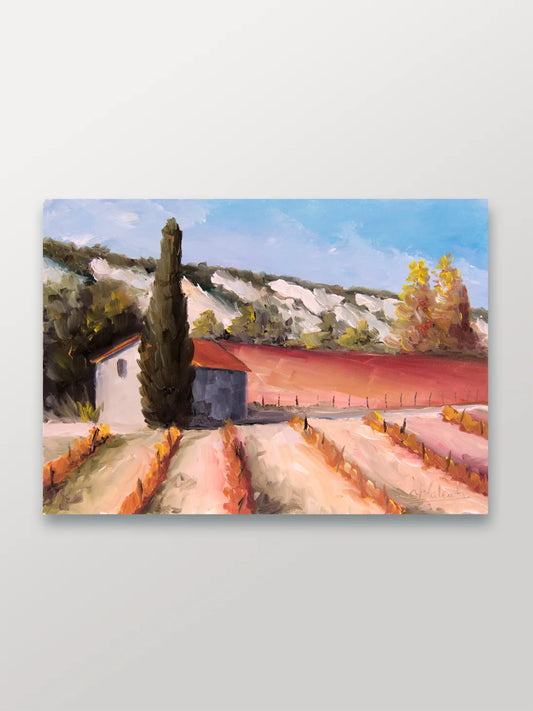
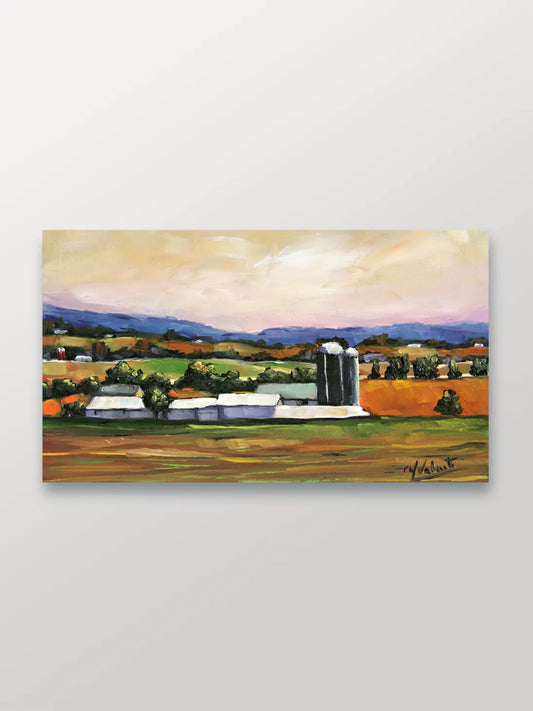
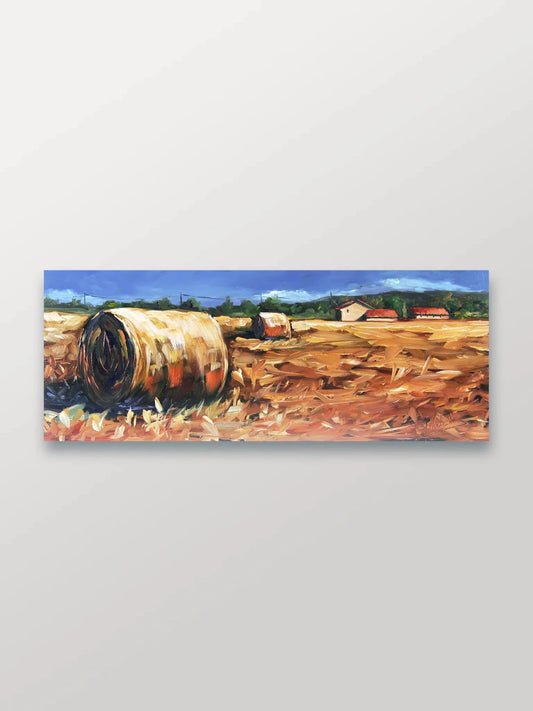
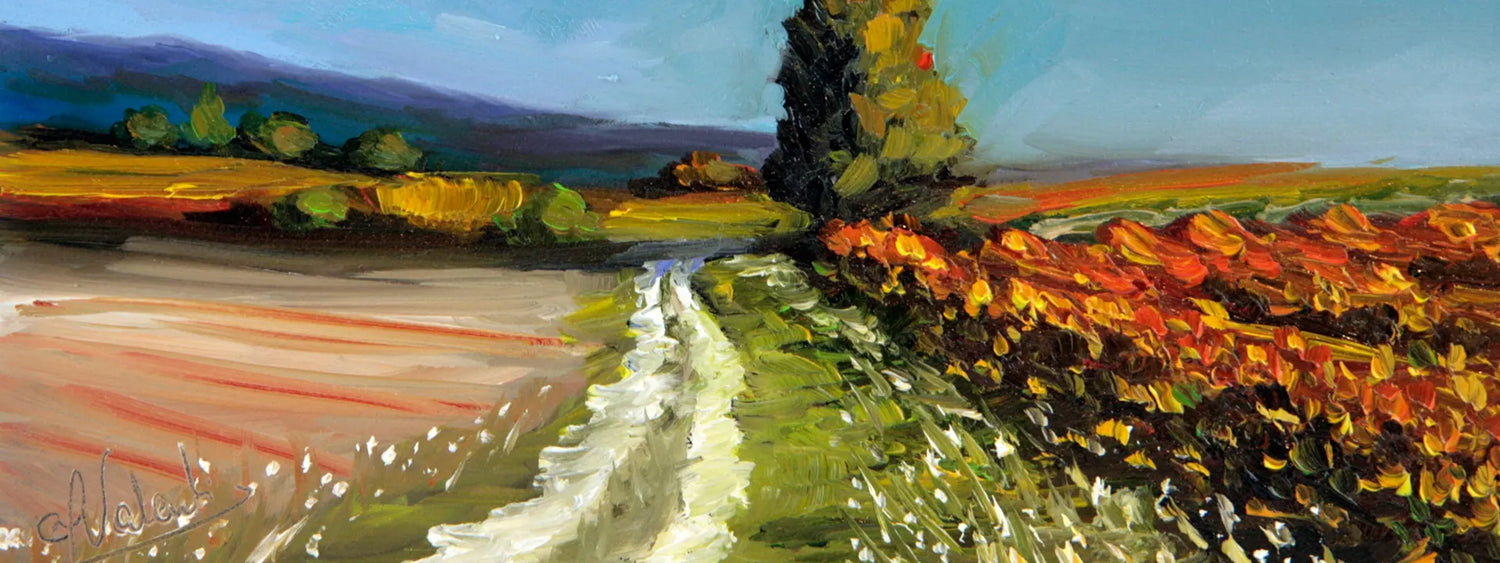
We offer Valenti's Limited Edition Giclee Prints of some of her most popular paintings. These prints are not the ones you would find at your grocery or craft store done with cheap inks on cheap papers and canvases. Valenti's prints are done the right and professional way by professionals in the print making fine art and museum industry, using only the best that's out there. Below the details of the process and some important information you should know.

What is a Giclée?
Giclée is the highest quality print method available today. The word Giclée, pronounced "zhee-clay" is a French word which literal meaning is 'to squirt'. In the print making industry, it refers to the process of a specialized printer whose method is to spray tiny droplets of archival and highly pigmented inks into the artist's' surface of choice which can be canvas, watercolor papers and museum quality archival papers. Giclée prints should never be confused with posters or cheap prints done using office or home office inkjet printers which are unfortunately sold by many as Giclée. The resolution, output and quality of inks is not the same.

Different types of surfaces used on the Giclée printing process and the ones we use
There is a wide variety of surfaces on the market today available for the Giclée printing industry from matte and gloss canvases to textured and smooth papers, fine art papers, cotton rags and museum quality archival papers. For my Limited Edition Fine Art Giclée Prints, we are using only the best High Quality Gloss Cotton Canvas and Museum Quality Smooth Archival Fine Art Paper. Depending on the image we use Somerset Velvet Fine Art Paper or Hahnemuhle Watercolor Paper.

The key for the best Museum Quality Giclée print relays on the pigmented ink and the printer
Epson and Cannon have developed the best museum quality archival inks in the market today used only for professionals in the fine art and museum print-making industry. The inks are highly pigmented archival inks, opposite to the dye inks used by the office or home office printer, which are proven to withstand over 100 years. Valenti teamed up with a wonderful and professional company awhile ago who uses only the best Fine Art Giclée from both Canon and Epson, with highly pigmented archival inks to produce only the best Giclées found on Museums and prestigious galleries in the US. She wouldn't have it any other way. Quality and longevity have always been Valenti's main concerns.

Professional pictures
The high resolution photographs are taken with a 10.1 megapixels Canon EOS digital camera with a EFS17-85mm lens and professional light system to produce only the best high quality digital image possible, used to create Valenti's Giclée prints. The images are taken in panes and stitch together to produce the largest pixel wide image to ensure the best and most detailed high quality printing process. The images are then adjusted in color for accuracy in printing and sent to the printing company to start the process. Each image weights between 20pixels all the way up to 100 pixels depending on the painting.

The Entire Process
After the fine art printing company receives, processes the image and prints it under my specifications, the canvas or paper print is left to dry for 12-24 hours to ensure the ink is fully dry before packing the print and ship it to the studio/gallery. After we receive the print at the studio, each image is inspected for perfection and color match, making sure it is perfect and up to Valenti's standards. The print receives then 3 coats of UV resistant varnish especially formulated for Museum Quality Fine Art Giclee Prints, which not only will protect the image from UV rays but will also make it water proof to ensure no humidity would ruin it during its life time. The 3 coats are left to fully dry for about 6 hours. Once the print is fully dry, the print is signed, dated, registered and the registration number printed on the back of the print. The paperwork (Certificate of Authenticity and rest of materials) is then printed out and signed by the artist. The Studio Registration Number (SRN) on the back of the print matches the SRN on the official Certificate of Authenticity. The print is then sent to the stretching station, where the canvas is stretched and stapled on the wood bars. Hanging hardware is installed and the print is then boxed and ready to leave the studio. This process can take anywhere from 5 to 10 days depending on the volume of prints requested. In the case of canvas print the canvas is mounted on 1¼" deep wooded bars which makes it great for a ready to hang artwork. All the prints on canvas are wired ready to hang on your wall. In the case of prints on fine art paper the prints are not matted, framed or mounted in any way. The printed image usually has a 1-2" white border around to accommodate the signature, edition number and title and for easy framing. For prints on paper is always recommended to leave exposed the are where the signature, edition number and title are.

Limited versus Open Edition
Open Editions do not have the investment value that Limited Editions have, and that's my main concern. At the same time Limited Editions with smaller edition size (250-500 prints) are more valuable than Limited Editions with a higher edition size (1000+ prints). In my case I'm offering only from all my works, Limited Editions of no more than 250 prints, and for the first time, I'm offering my abstract works as Limited Edition Fine Art Giclee Prints on canvas mounted on 1 ¼" stretcher bars.

Framed or Stretched?
Framing a piece of art is a very personal choice, therefore we don't offer any work framed. We will soon be offering separate framing services for you to select from although. For now, prints on paper are offered unmated and unframed. Canvas prints on the other hand are offered mounted on 1 ¼" stretched bars, wired ready to unpack and hang on your walls.

If you should have any questions about our process or would like more information, please don't hesitate to contact us.

Manuela Valenti./